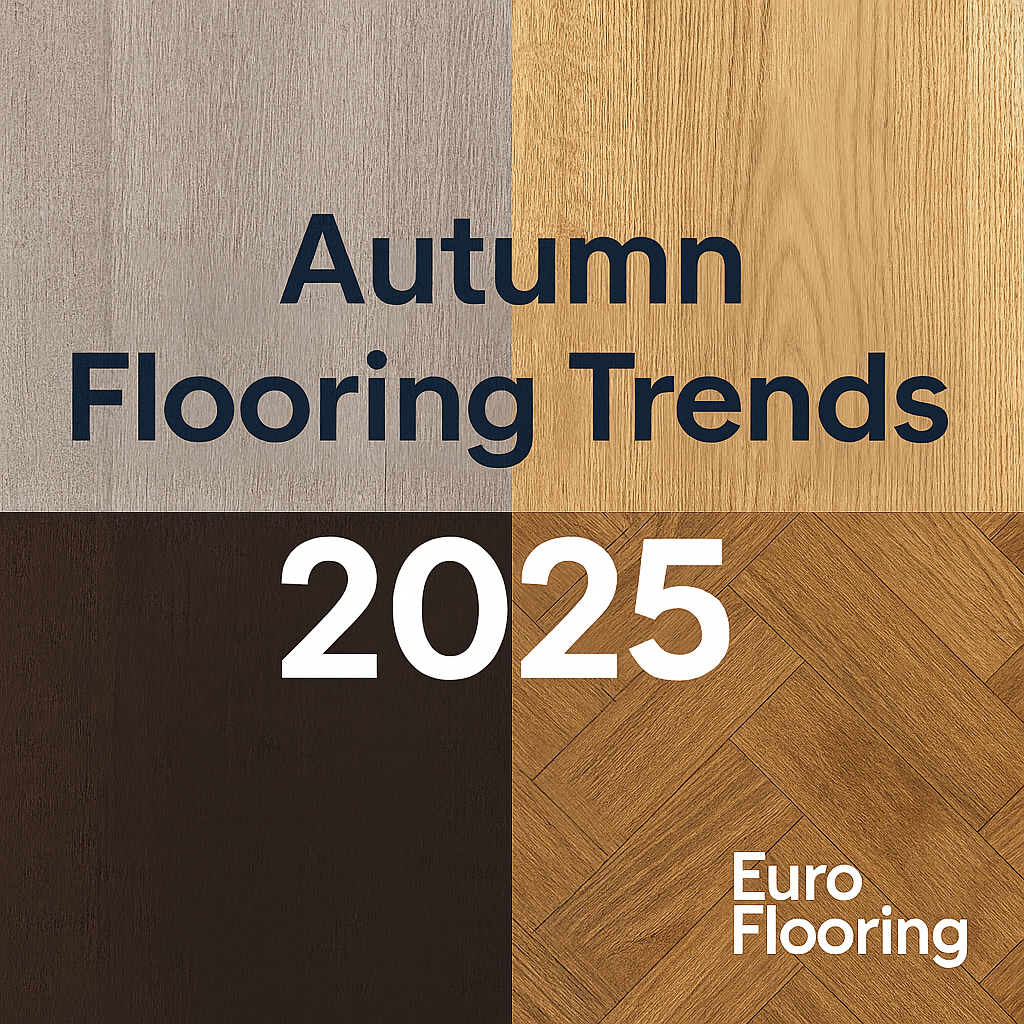
Discover the biggest flooring trends for Autumn 2025. From warm tones to textured tiles and cosy underfoot solutions, fi...

Laminate vs LVT: Which Flooring is Best for Your Kitchen?
H2: Durability and Everyday Use
- Laminate flooring is made from compressed fiberboard with a protective top layer. It resists scratches and dents, making it ideal for busy households.
- LVT flooring, made from PVC layers, is incredibly tough and flexible. It’s more resistant to moisture, making it slightly more forgiving in kitchens where spills are common.
- If you want maximum scratch resistance, check out our Laminate Flooring collection .
- For waterproof options, explore our LVT Flooring range .
- H2: Water Resistance
- Laminate can handle light spills, but standing water may cause swelling over time.
- LVT is designed for moisture-rich environments, making it a clear winner for kitchens, bathrooms, and utility rooms.
- H2: Style and Appearance
Both laminate and LVT come in a wide range of colours and finishes: - Laminate often mimics the look of real wood, including popular herringbone designs.
- LVT can look like wood, stone, or even ceramic tiles, with highly realistic textures.
- H2: Cost and Value
- Laminate is usually the more budget-friendly option.
- LVT tends to cost slightly more upfront, but the waterproofing may save money in the long run by reducing damage risk.
- H2: Installation
- Laminate typically uses a click-lock system, which makes it DIY-friendly.
- LVT can be click-fit or glued down, depending on the style, giving flexibility in how it’s installed.
- H2: Final Verdict
- Choose laminate flooring if you want a cost-effective, stylish, and scratch-resistant floor for a low-risk kitchen.
- Choose LVT flooring if water-resistance and long-term durability are your top priorities.
- At Euro Flooring UK, we stock both laminate and LVT options to suit every style and budget. Whether you want a modern herringbone pattern or a durable stone-effect tile, we’ve got you covered.
Share: